
Achieve rapid water repellency. Bend, smooth, and shape glass. Case studies for optical data transfer glass. Better user experience because of smoothness and water resistance.
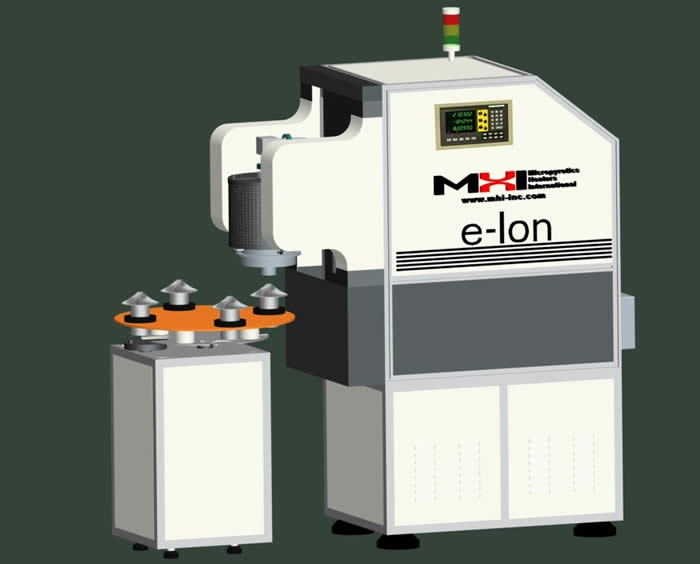
Turn your designs into reality with Cascade e-ion rapid glass-bending technology. Surface-harden optical data transfer glass with superionic rapid nitrogen impingement using only air input.
Eion glass treatment for bending and tempering has been shown to improve uniformity and reflectivity in bent data and HUD glass. Bending to most curvatures—small and deep—is easy. The patented beam technology improves bent-glass productivity, sometimes with ancillary enhancements. Proper substrate materials (often proprietary) significantly reduce asperities or ripples, a feature required in HUD glass. All glasses are different – we recommend that users develop their process with our minor guidance.
Protective glass used in electronic displays is surface treated and/or bent for reasons that involve design as well as information selection and transfer abilities. Elegant curvatures and variations in surface properties can distribute information creatively in electronic displays. The cascade e-ion brings new versatility and opportunities to glass processing.
Glass bending requires heating glass (a material with a disordered internal structure) above a certain temperature (e.g., the glass transition) and then deforming it into the required shape using the correct apparatus and wavelengths. Shaping is an art. Exact shaping conditions vary from glass to glass, depending on composition and the details of internal atomic disorder. Glass is bent for decorative purposes and to alter the direction of information display. The cascade e-Ion uses superionic pressure to deform glass without cracking. At the same time, it often enhances scratch resistance and smoothness.
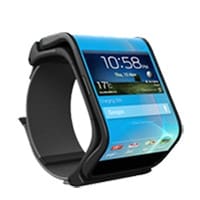
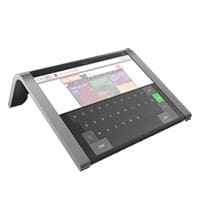
Bend cell phone glass, wrist-information watch glass, GPS glass, HUD glass, electronic glass, smartphones, sapphire equivalents, touch screen glass, tablet glass, and so much more at rapid production rates. Bring your intelligent designs to life with creative glass-shaping offered by the Cascade e-Ion with super-hard surfaces if desired. Change surface characteristics and heat resistance at a low operating cost.
Bend and smooth the glass surface with the slot aperture Cascade S-e-Ion in plume mode, as shown in the air plume below.
What to buy from MHI: The Cascade S-e-14 and the particular substrate are machined to your curvature/dimensions.
Create beauty, differentiate your product, change brightness/contrast, and creatively distribute or capture helpful information. Multi-angle displays and curved glass – please let your imagination consider complex glass cover shapes with the Cascade e-Ion machines. Experience simultaneous ionic hardening? When you purchase a Cascade machine, you are automatically enrolled in expanding group knowledge and the Never Down system. Use for curved glass or syringes. Please do not hesitate to request a sample ROI.
Decarbonized glass bending and shaping. Sometimes, a 400kW glass bending machine can be replaced by a 4 kW plume glass bending machine. It uses only electrical and air inputs. The plume is an air plume.
The surface properties of many super ionically bent/shaped glasses were found to be much more scratch-resistant. This is a critical requirement in optical data transfer glass and laminates.
The Cascade e-Ion technique can rapidly shape for production – bend in less than a minute – because of the unique ionic beam that protects the glass while bending and distributing heat evenly. Considerable variations in creative bends may be achieved. Even the hook and multi-axis bend, including convex and concave, as shown for the illustrative hat-curvatures above, are possible – please get in touch with MHI for information. Unique complex shapes for advanced electronic display glass (for all types, including aluminosilicate glass) are shown below. We haven’t shared other shapes because the user asked us not to until they have entered the market with their shape. T Cascade e-ion machines/models do the perfect job. MH provides Jigs as appropriate for a nominal price.
MHI delivers the capability to design—super ionic bending.

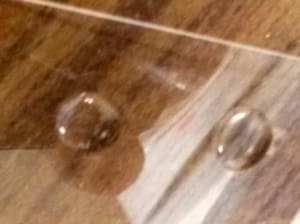
The picture shows a deep, wide ionic plume curtain for rapid treatment, including edge-bending of glass/sapphire glass. The picture shows an air plume under one-atmosphere ionization conditions. Cascade ion treatment enables significant water resistance, measured by water contact angle. Need more information? Contact us
Use the Cascade e-Ion Plasma™ to bend, treat, or shape glass! It produces clean, quick results, is energy-efficient, and offers ionic modification possibilities for wear resistance and smoothness.
“Smart Glass Bending”
The Cascade e-Ion Plasma™ (a Patented MHI product) can bend glass; the ions manipulate the glass bending. The Cascade e-Ion Plasma operates at about 1- 15 kW. In contrast, certain soda-lime-silicate glass types are often bent by heating in very energy-inefficient furnaces (almost 50kW), i.e., if they are bendable at all from flat shapes. Do you want to bend quartz or sapphire glass three-dimensionally? Single-operation surface ionic operations and tempering are often feasible with the Cascade e-ion machine benefactors. 4D sintering is a registered trademark of MHI.
Bending is easy with the Cascade e-ion technology. Enhance the surface while bending.
For example, MHI is developing unique ion-hardening techniques that use the beam’s ionic nature to modify several glass and sapphire substrates successfully. Purchasing a patented Cascade e-ion machine enrolls you in the select group. We know you will enjoy the new ideas you and others bring.

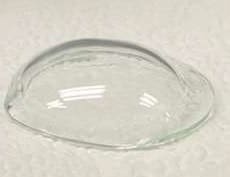
Electronic Display Glass for Optical Data Transfer
Display Glass is an alkali-aluminosilicate toughened sheet glass. This type of cover glass combines thinness, lightness, and damage resistance. It is used primarily as the cover glass for portable electronic devices, including mobile phones, portable media players, medical information displays, portable computer displays, HUDs, Needle Syringes, and some television screens.1
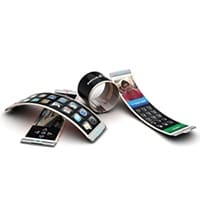
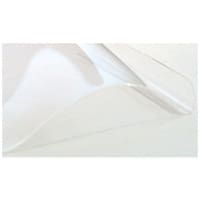
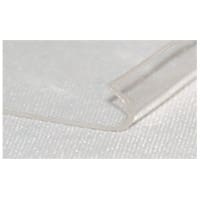
MHI Cascade e-Ion Plasma™ allows rapid bending of flat glass. The photographs show electronic glass smoothly bent within a few seconds in the CleanElectricPlume™. Please call us @ 513.772.0404 or contact us for more information about this innovative technology. Many shapes are possible, such as decorative dimpled surfaces, origami shapes, hierarchical crystals, and folded napkin shapes.
You can produce these shapes by applying the correct bend points with the cascade e-ion machine, as shown below for curved surfaces. All shapes can be made rapidly and energy-efficiently without losing any significant glass properties.
Please contact MHI to acquire a glass bending machine suitable for your design.
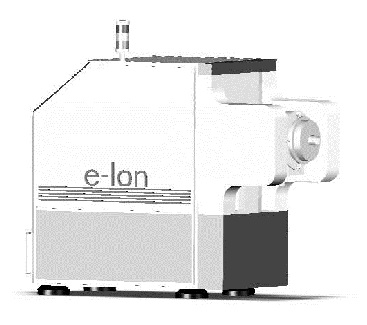
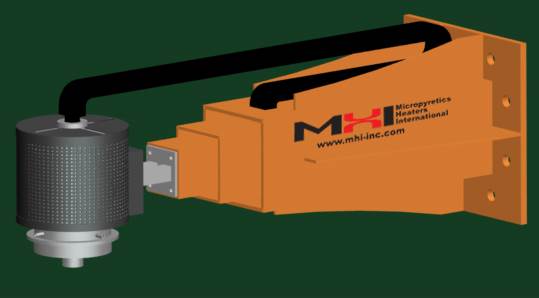
Shapes are normally made within a minute from flat plate condition – fully automatable with continuous belts and appropriate robots. Ot er materials handling systems may be incorporated. The Cascade e-Ion System particularly empowers design creativity.
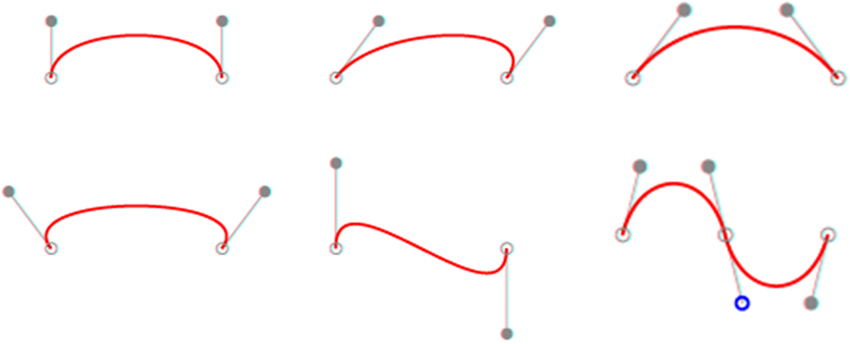
The picture below shows the axis points for the curvature’s origin. These are edge reflections of a bent glass. The Cascade e-ion Plasma and special MHI jigs enable this kind of creative bending. Note that the Cascade e-ion offers many different aperture types.
Is Glass a Solid? Answer: Glass below its glass transition temperature is a solid in that it has a very high viscosity and, therefore, is very rigid (does not shear easily). Crystalline and amorphous ceramics can be transparent in the visible range. The common form of glass is a transparent amorphous solid. Glass has several applications, such as windows, electronic displays, and transparent armor and coatings. Several glass compositions exist. Common types include borosilicate glass, normal glass (i.e., plate-glass soda-lime-silica), and other combinations of fused silica glass. Other considerations play a role in selecting when shaped glass is required. Here, the cascade e-ion has a particular advantage for rapid volume production. Chemical, ionic, or Thermal treatments can increase glass strength. The Cascade e-ion is versatile.
Controlled crystallization of specific glass compositions is also used to manufacture optical-quality glass ceramics. With the Cascade e-ion, several active gas and ionic covers can be considered, including SiAl-oxynitrides, known as SAILONS. Other new materials may be contemplated.
In a sense, the Cascade e-Ion has made the future a bit brighter.
Do you want to edge-bend, surface-harden, smooth, and make a layered or laminated glass water-resistant? Could a Cascade e-ion model meet your requirements?










 MHI Inc. USA
 MHI Inc. USA